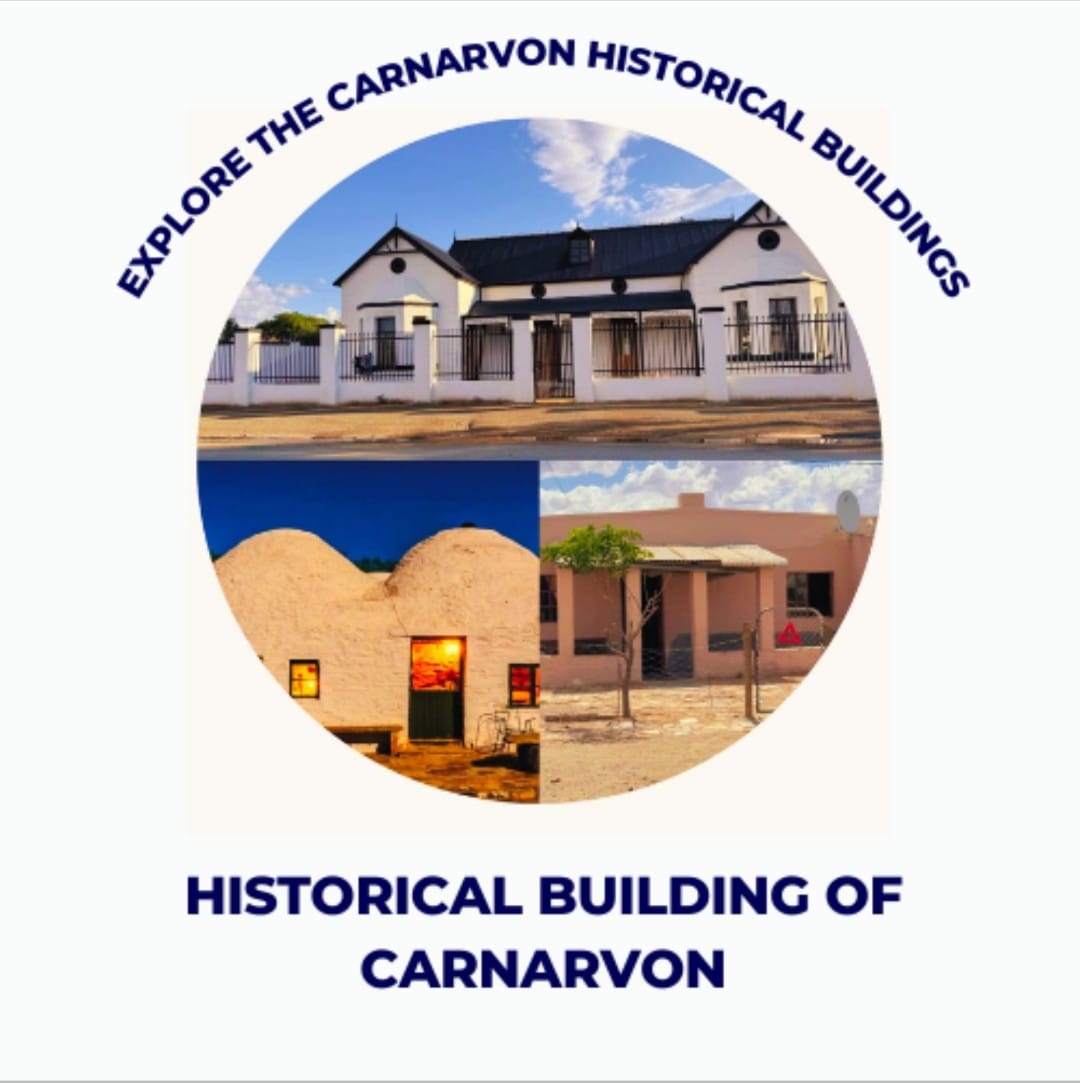
Victorian & Corbelled Houses
🏰 Victorian Houses
How to Identify:
Look for steep, pitched roofs, front gables with wooden trim, tall narrow windows with multiple panes, a central front door, and verandas with wooden posts. Symmetry and decorative details are key. 🔊
Look for steep, pitched roofs, front gables with wooden trim, tall narrow windows with multiple panes, a central front door, and verandas with wooden posts. Symmetry and decorative details are key. 🔊
Discovery/Recognition:
Victorian houses are identified via heritage surveys, old maps, building plans, and local knowledge. If a house dates from the late 1800s to early 1900s, it is usually Victorian. 🔊
Victorian houses are identified via heritage surveys, old maps, building plans, and local knowledge. If a house dates from the late 1800s to early 1900s, it is usually Victorian. 🔊
Why They Are Called Victorian Houses:
They were built during Queen Victoria’s reign (1837–1901) and reflect the popular architectural style of that era with its symmetry, tall windows, verandas, and decorative elements. 🔊
They were built during Queen Victoria’s reign (1837–1901) and reflect the popular architectural style of that era with its symmetry, tall windows, verandas, and decorative elements. 🔊
What Makes Them Special:
Victorian houses are rare in Carnarvon and showcase British architectural influence. Their detailed gables, tall windows, and wooden decorations preserve the town’s heritage. 🔊
Victorian houses are rare in Carnarvon and showcase British architectural influence. Their detailed gables, tall windows, and wooden decorations preserve the town’s heritage. 🔊
🏛️ Corbelled Houses
How to Identify:
Recognize corbelled houses by their dome or beehive shape, thick stone walls, corbelling construction technique, small apex opening, earthen floors, and absence of wooden trusses. 🔊
Recognize corbelled houses by their dome or beehive shape, thick stone walls, corbelling construction technique, small apex opening, earthen floors, and absence of wooden trusses. 🔊
Discovery/Recognition:
Found mainly in the arid Karoo near Fraserburg, Carnarvon, and Williston. Identified through architecture, surveys, and heritage records by groups like VASSA. 🔊
Found mainly in the arid Karoo near Fraserburg, Carnarvon, and Williston. Identified through architecture, surveys, and heritage records by groups like VASSA. 🔊
Why They Are Called Corbelled Houses:
The name comes from the corbelling technique used to construct the roof. Successive stone layers project inward until they meet at the apex, forming a dome or beehive shape. 🔊
The name comes from the corbelling technique used to construct the roof. Successive stone layers project inward until they meet at the apex, forming a dome or beehive shape. 🔊
What Makes Them Special:
Corbelled houses are an ingenious adaptation to the Karoo environment, showcasing vernacular architecture, exceptional insulation, cultural significance, durability, and global architectural parallels. 🔊
Corbelled houses are an ingenious adaptation to the Karoo environment, showcasing vernacular architecture, exceptional insulation, cultural significance, durability, and global architectural parallels. 🔊
Documented Corbelled House Sites:
| Site (town / farm) | Approx. date (best estimate) | Notes / evidence |
| Grootfontein (near Williston) | 19th century | Recorded as historic; noted in heritage literature. |
| Eendefontein (R361) | 19th century (c.1820–1880) | Large documented corbelled example. |
| Arbeidersfontein (R63) | 19th century (c.1820–1880) | Rectangular corbelled building in heritage study. |
| Droogeputs (R63) | 19th century | Small corbelled hut documented. |
| Osfontein | 19th century | Restored; used for tourism; authentic corbelled structure. |
| Stuurmansfontein | 19th century | Promoted as corbelled house experience. |
| Vrieleegte | 19th century | Un-plastered corbelled huts recorded. |
| Leeufontein | 19th century | Examples appear in heritage figures. |
| Konka | 19th century | Listed in heritage records as corbelled site. |
| Scattered farm huts (Williston–Carnarvon–Loxton–Fraserburg) | c.1820–1880 | Around 200 documented corbelled huts recorded across the region. |