NRF-SARAO and RIIS host prestigious Karman delegation to showcase South African Radio Astronomy advancements
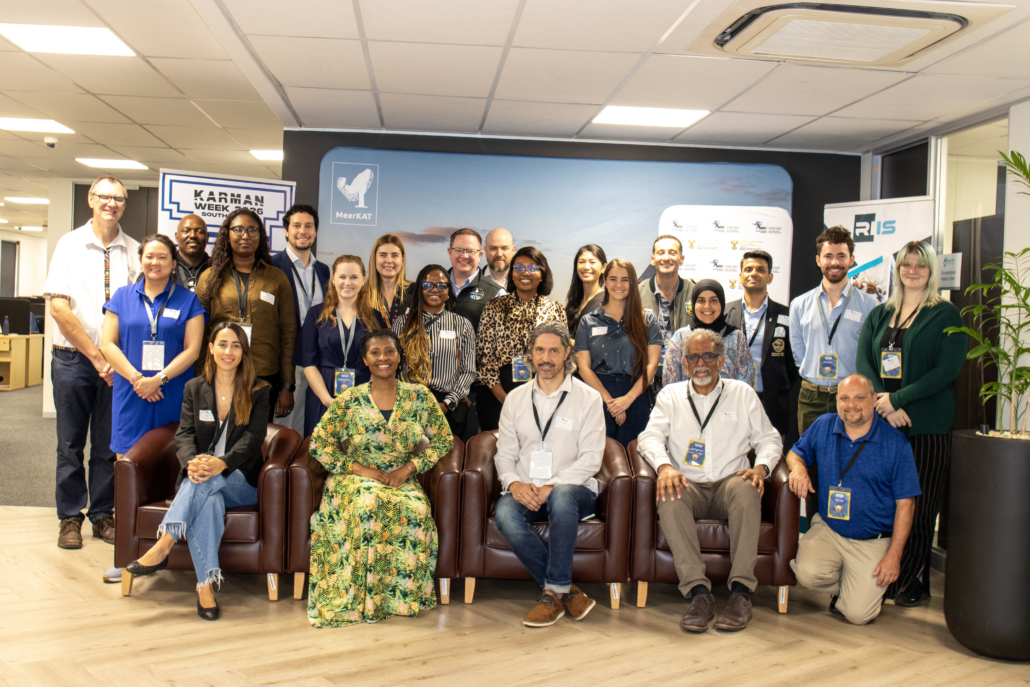
Cape Town, South Africa — The South African Radio Astronomy Observatory (SARAO), in collaboration with the Research Institute for Innovation and Sustainability (RIIS), proudly hosted the international Karman delegation at its Cape Town facility on Thursday, 5 November 2026.
The visit, part of the annual Karman Week Industry Day, served to connect the global space community with South Africa’s flourishing space and astronomy ecosystem.
The Karman Project is an international non-profit community of emerging leaders in the global space sector. Its mission is to build trust, foster dialogue, and encourage cross-border cooperation among professionals from industry, government, and academia. Members of the project, known as Karman Fellows, form a global network working toward a collaborative future for space exploration.
The 2026 cohort features 15 highly accomplished Karman Fellows, selected from over 400 applications across 53 countries. Representing 15 nations across six continents, this diverse group includes astronauts, agency directors, engineers, doctors, policymakers, and entrepreneurs from institutions such as the space agencies of Bahrain, the UK, Senegal, and the Philippines, as well as Leonardo and the Indian Space Research Organisation (ISRO).
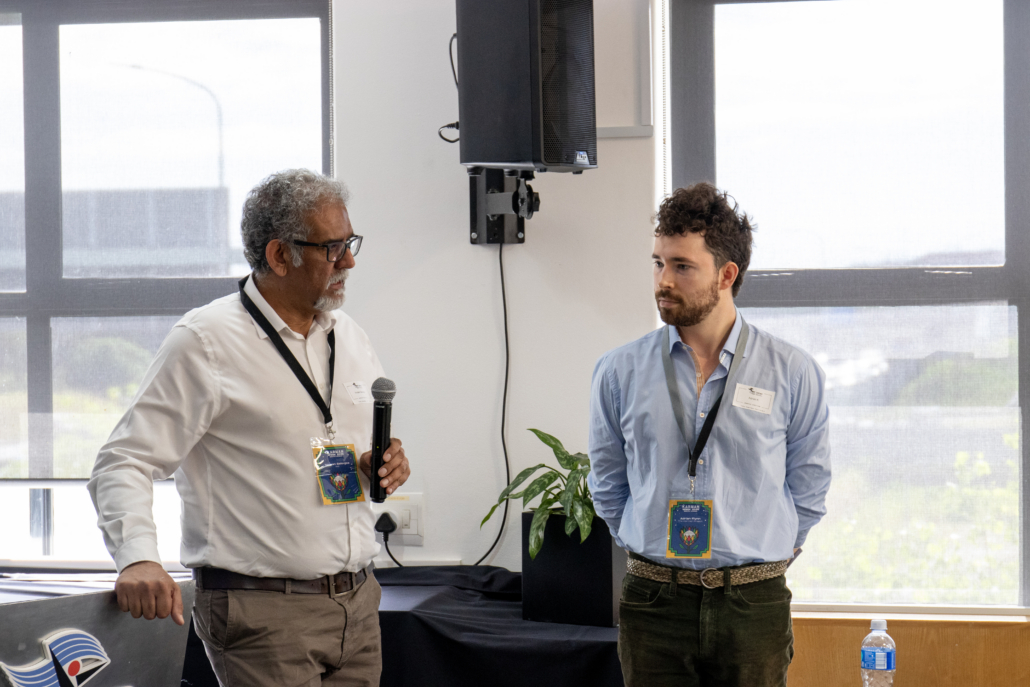
Imraan Saloojee, Director and Executive at RIIS, opened the engagement with an overview of the Karman Project. He introduced RIIS as an innovation management advisory firm specialising in the space sector through startup assistance, accelerator management, and strategic advisory programs. Saloojee emphasised the firm’s commitment to helping organisations across Africa navigate complexity by connecting policy with execution, technology with opportunity, and innovation with real-world outcomes.
Dr Adrian Tiplady, Acting Managing Director of SARAO, delivered a compelling presentation outlining SARAO’s overarching mandate, its cutting-edge radio astronomy initiatives, and its profound developmental impact on local communities.
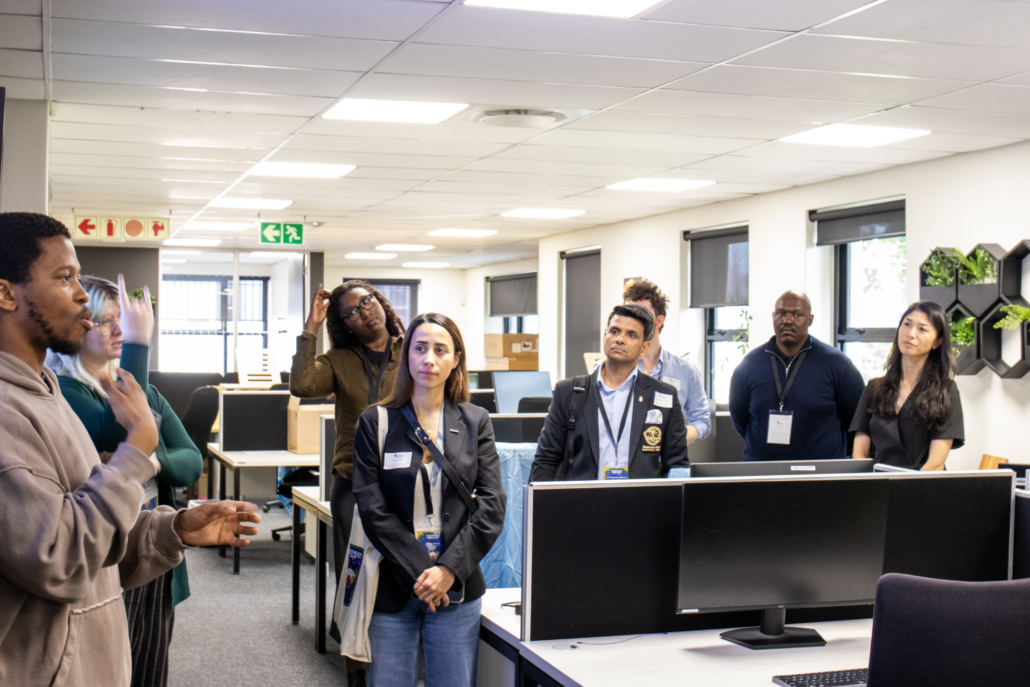
Following the presentation, Keitumetse Molamo, Head of Engineering and Technology Development at SARAO, led the delegation on an immersive tour designed to showcase the pioneering advances of various SARAO engineering departments. The tour highlighted several key technical facilities:
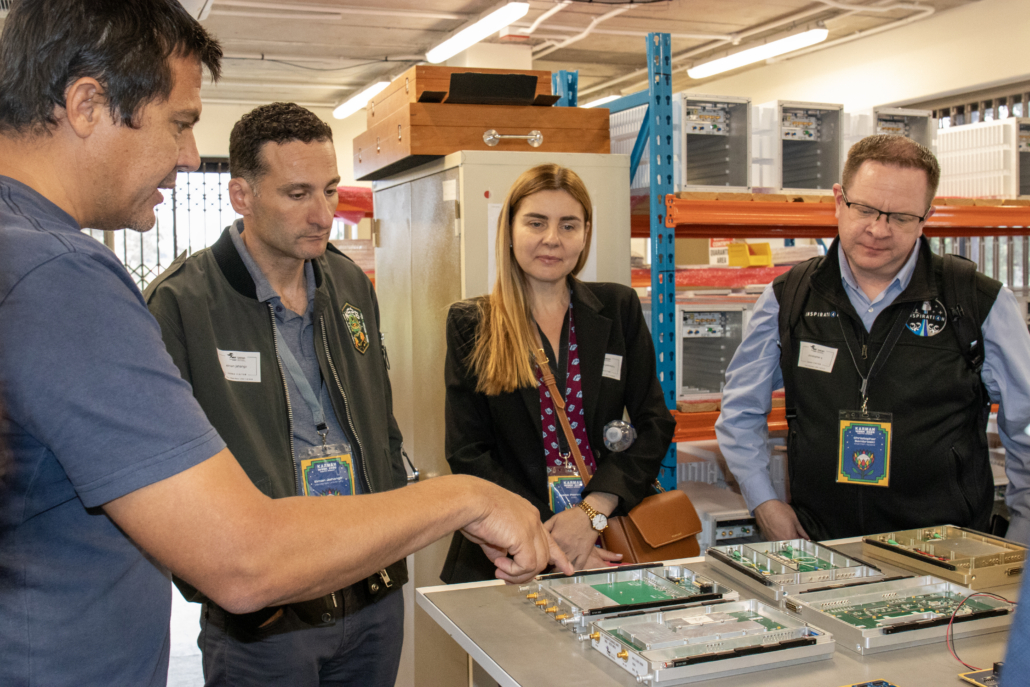
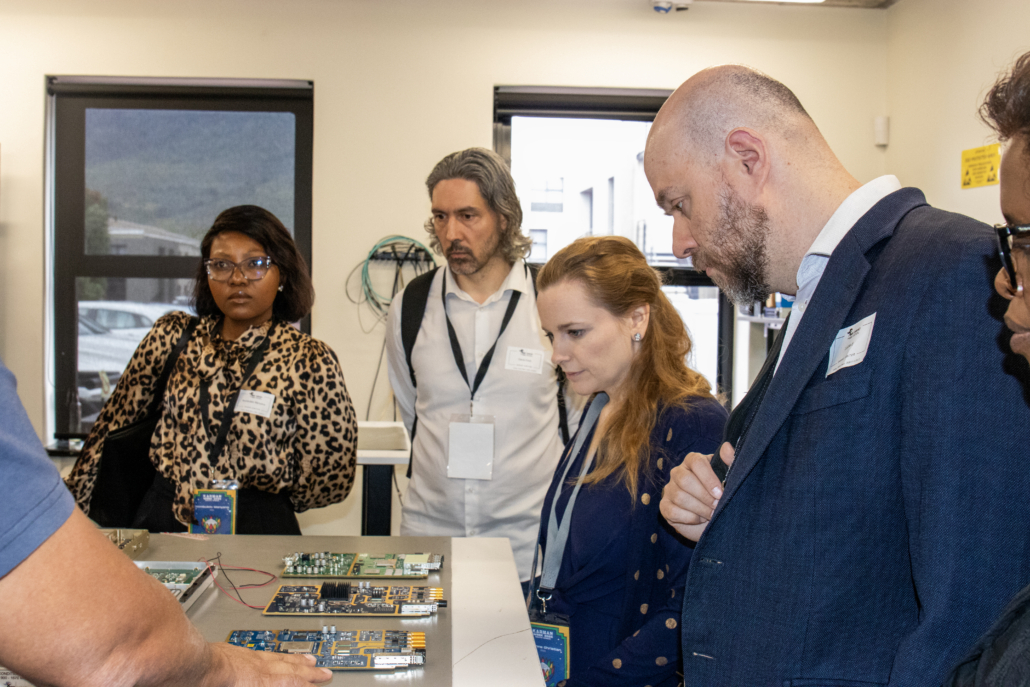
Electronics Laboratory: Sias Malan, Receiver Systems Manager, detailed the in-house design, manufacture, and assembly of digitizers. SARAO’s high-performance digitizer technology is specifically engineered to convert space radio signals directly into a digital format for the MeerKAT radio telescope and international research partners.
Radio Frequency Interference (RFI) Chamber: Christo Visser, RFI Manager, alongside Sifiso Sechemane, Graduate in Training (RFI), guided delegates through the RFI chamber. They explained the critical importance of managing radio frequency interference and showcased the specialised instruments used for detection. They proudly noted that SARAO’s Losberg site holds the Guinness World Record for being the most quiet radio zone on Earth.
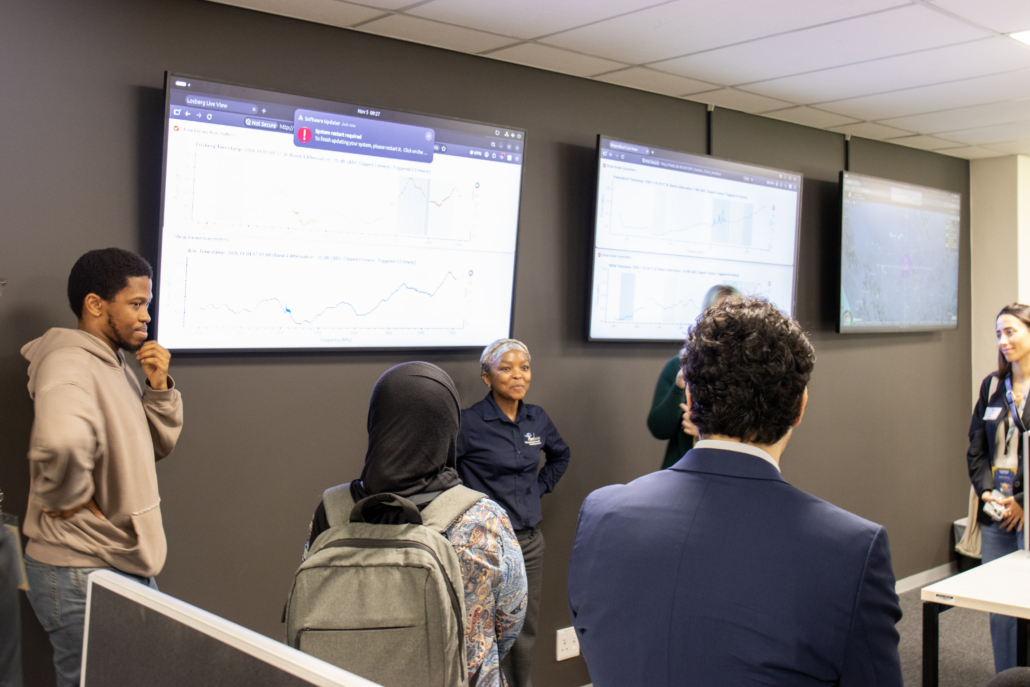
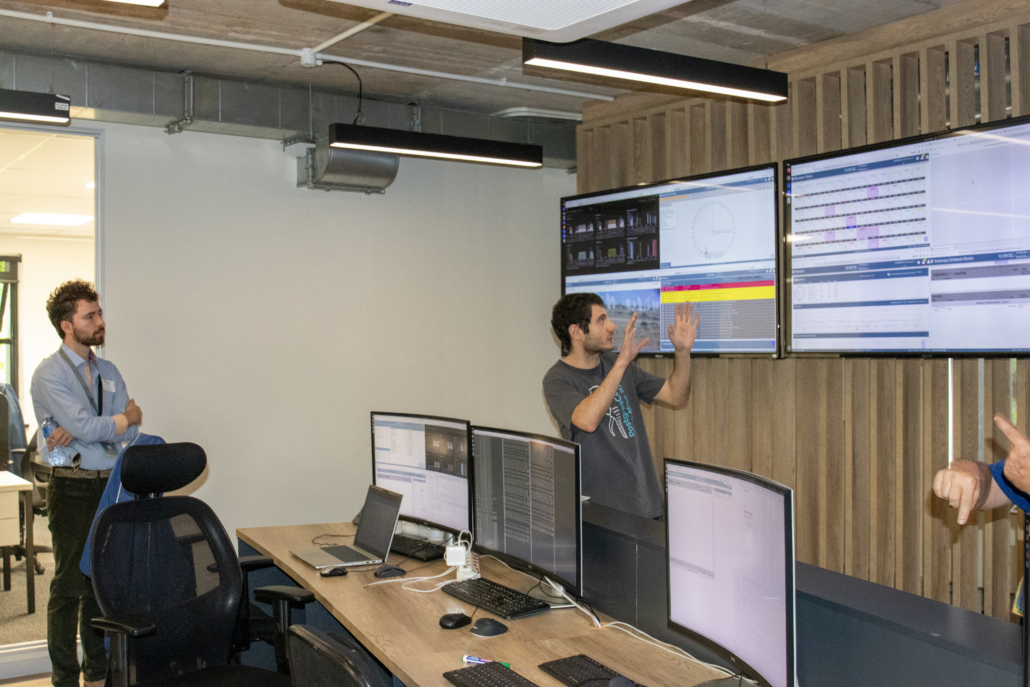
Operations Control Room: Delegates were given an exclusive look at the nerve center supporting the operations and observations of the Square Kilometre Array (SKA). Tinus Steyn, Telescope Operator, explained the sophisticated controls and instruments, while Sibusiso Gumede, Head of Operations, detailed the meticulous processes required to ensure smooth, undisturbed celestial observations.
Compute Systems Lab: Hugo Hamman, Senior DevOps Developer, concluded the technical tour at the compute systems lab, explaining the facility’s immense capacity for data processing and the management of in-house software and systems.
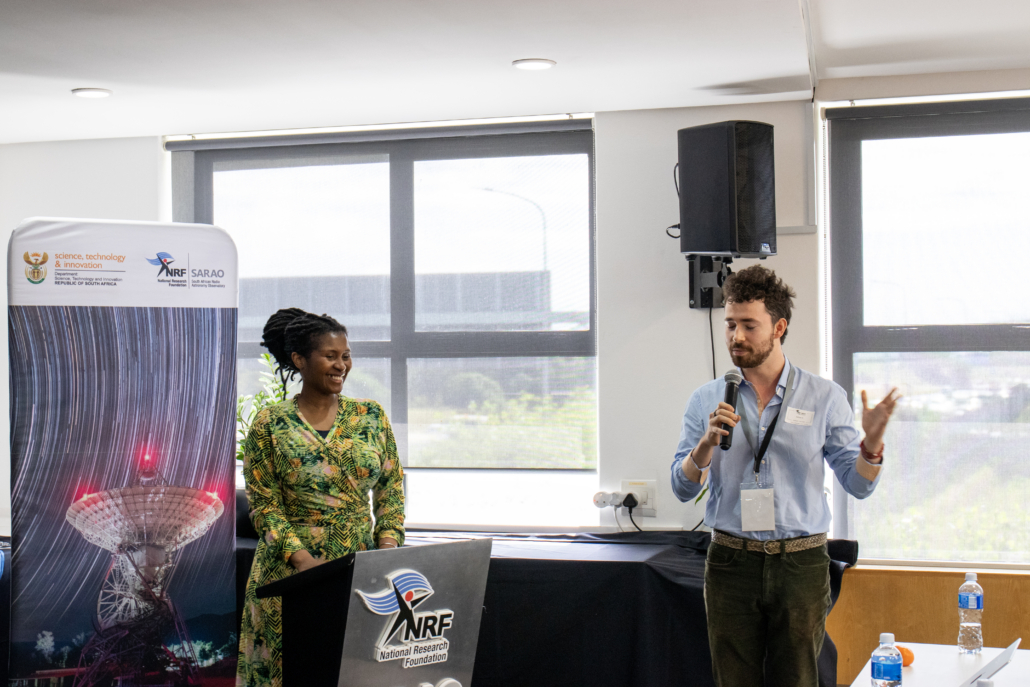
Adrian Flynn, Program Coordinator for the Karman Project, delivered a formal vote of thanks on behalf of the delegation. He praised the world-class facility and noted that the visit, a core component of their flagship Karman Week program, was instrumental in forging international partnerships and providing invaluable insight into South Africa’s technological capabilities.
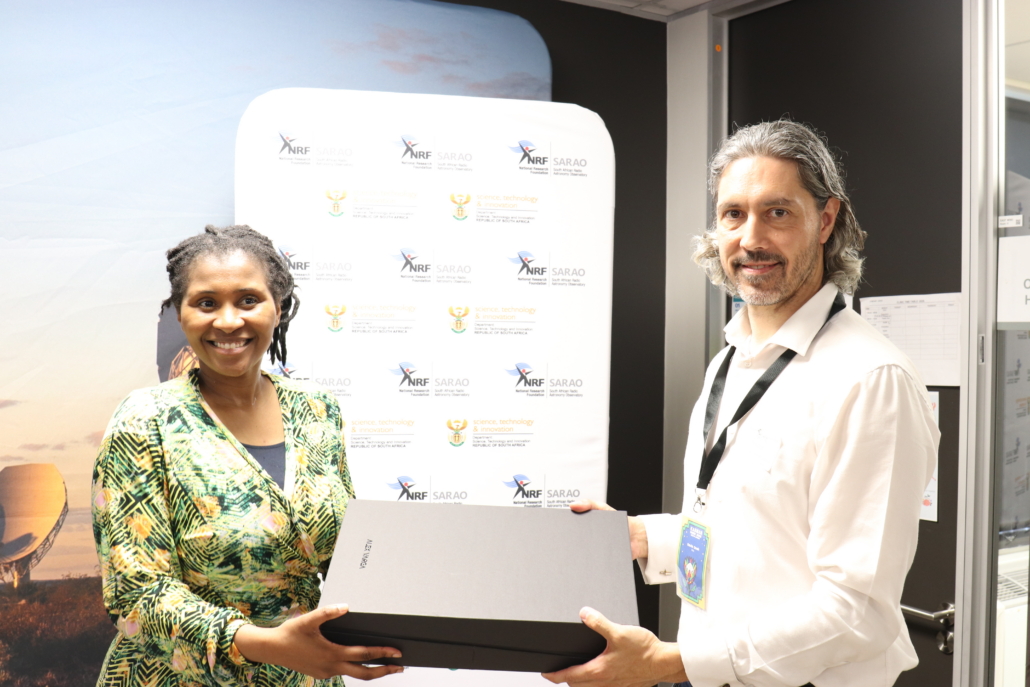
Milisa Kentane, Manager of Communication and Stakeholder Relations at SARAO expressed her sincere gratitude for the successful collaboration. Kentane underscored the strategic importance of such global engagements in positioning SARAO’s technological advancements on the world stage.
About SARAO
The National Research Foundation’s South African Radio Astronomy Observatory (NRF-SARAO) is responsible for managing all radio astronomy initiatives and facilities in South Africa, including the MeerKAT Radio Telescope, Geodesy, and VLBI activities.